
Why Free Time Feels So Uncomfortable (And What That's Really Telling You)
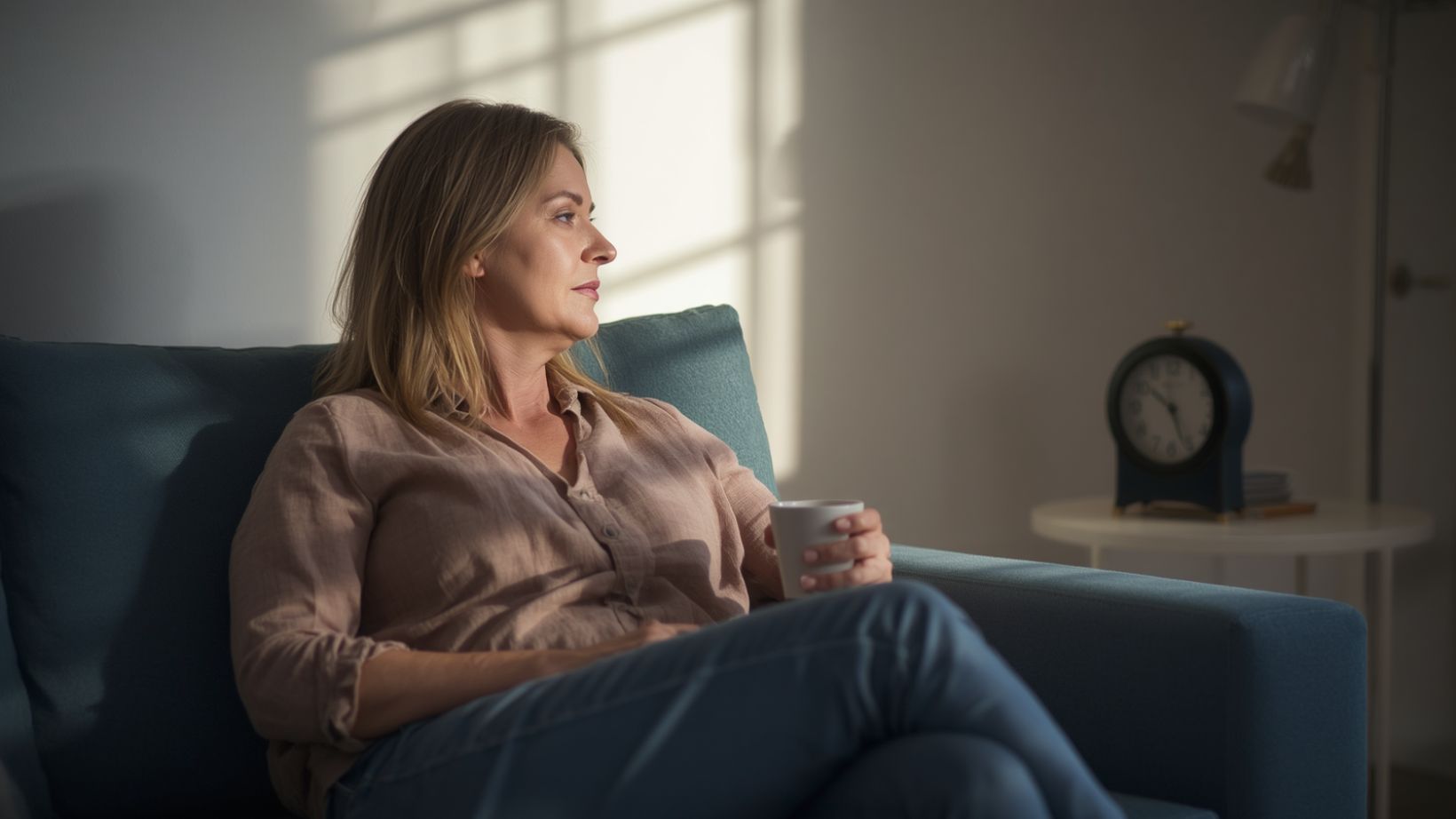
You finally get a stretch of unscheduled time — the kids are occupied, or gone for a few hours, or asleep — and instead of relief, something else shows up. Restlessness. A low hum of guilt. An itch to do something.
I remember a day years ago when I'd planned to volunteer at my kids' preschool. Last minute, I found out the students were on a field trip and I wasn't needed after all. So there I was — no plan, no task, an entire pocket of time suddenly and unexpectedly mine. I sat in my car in the parking lot and felt completely at a loss for what to do with myself. I wasn't used to unstructured time. I didn't know how to just be in it or enjoy it.
If you've ever felt that same itch, you know exactly what happens next. You find something to do. You try to be productive — starting a load of laundry. You check your Instagram and next thing you know, you've been scrolling for forty-five minutes, watching useless videos.
If this sounds familiar, I want you to know: this isn't a productivity problem. It's a nervous system problem.
For a lot of moms — especially moms who've spent years in survival mode, running on adrenaline and to-do lists — free time doesn't register as safe. It registers as unfamiliar, even threatening. Your body has learned that "on" is the normal state. Stillness feels foreign, sometimes even dangerous, because if you're not moving, not producing, not managing something, then what's left is whatever feelings you've been outrunning.
So the nervous system does what it knows how to do: it finds a way to stay activated. For some of us that looks like becoming a low-grade workaholic, always finding one more task. For others it's the mindless scroll — a way to stay stimulated without actually resting. For others it's overfunctioning: managing everyone else's needs so thoroughly that there's no room left to notice your own.
None of these are character flaws. They're adaptations. At some point, staying busy or staying vigilant kept you safe, or kept things running, or kept the anxiety at bay. The trouble is, an adaptation that made sense once can quietly become the thing standing between you and actual rest.
The real skill here isn't better time management. It's learning how to be in your body when it's not distracted — how to let your nervous system register that stillness is safe, not just tolerable. That's a learnable skill. It's also one of the pieces I see moms skip over the most, because it feels almost too simple to matter. It's not.
This is a big part of what we work on inside Empowered Motherhood — not one more thing to add to your list, but learning how to actually come down out of "on" mode so downtime actually feels restful again.
