
Brighten Your Mood: How Light Therapy Can Support Mental Health and Wellness
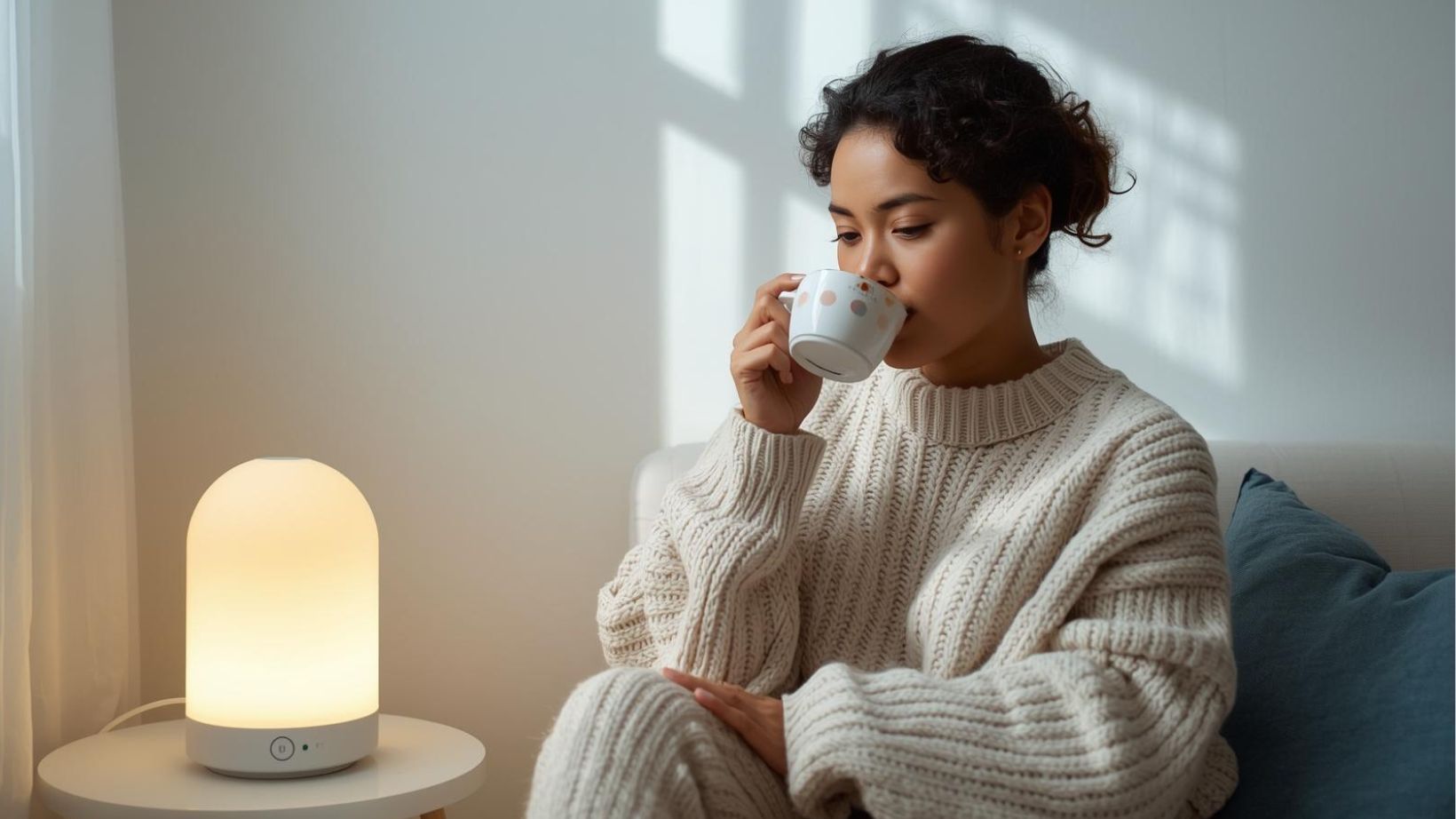
Winter blues, seasonal affective disorder (SAD), or even just a dip in energy can affect anyone—especially when the days are short and sunlight is limited. One tool I’m often asked about is light therapy. It’s simple, accessible, and backed by solid research.
What is Light Therapy?
Light therapy, sometimes called phototherapy, involves exposure to bright, artificial light that mimics natural sunlight. This helps regulate your circadian rhythm—your body’s internal clock—which plays a key role in sleep, energy, and mood.
Research from the Center for Environmental Therapeutics shows that light therapy can be highly effective for seasonal affective disorder (SAD), sleep disruptions, and some forms of depression. When used consistently, it supports serotonin production (which impacts mood) and helps regulate melatonin (which impacts sleep).
Why the Retina Matters (And Why Windows Don’t Work)
One of the most important—and often overlooked—pieces of light therapy comes from research highlighted in The Depression Cure.
For light therapy to actually work, the light has to reach specific receptors in the retina. These receptors send signals directly to the brain’s circadian system, helping regulate sleep–wake cycles and mood.
This is why a few key things matter:
- The light needs to enter your eyes directly (without staring directly at it)
- Typical indoor lighting isn’t strong enough
- Sunlight through a window is much less effective, because glass filters and reduces the intensity of light before it reaches your retina
People sometimes ask if they can just sit by a sunny window. While that can feel nice, it usually doesn’t provide the level of light your brain actually needs for a therapeutic effect.
Who Can Benefit from Light Therapy?
- People experiencing seasonal affective disorder (SAD)
- Those with sleep challenges or disrupted schedules (including shift work or travel)
- Anyone noticing low energy, brain fog, or mood dips—especially in darker months
How to Use Light Therapy Safely
- Timing matters: I recommend using it for 20–30 minutes in the morning, ideally within an hour of waking
- Positioning: Sit about 16–24 inches away, with the light at a slight downward angle so it reaches your eyes indirectly
- Light intensity: Look for a 10,000 lux, UV-filtered lightbox. I like this one on Amazon.
- Consistency: Daily use makes a big difference
- Check first if needed: If you have eye conditions, bipolar disorder, or take certain medications, it’s worth consulting a provider
Tips to Enhance the Benefits
- Pair light therapy with a morning walk outside when you can
- Keep sleep and wake times consistent
- Use it alongside therapy or other supportive practices if you’re working through anxiety or depression
Why It Works
At its core, light therapy helps reset your circadian rhythm when it’s been thrown off by lack of natural light. But more specifically, it works because it delivers enough light to the retina to activate the brain systems that regulate mood, energy, and sleep.
I often think of this as supporting the nervous system at a biological level—giving your brain the input it’s missing, rather than trying to push through low energy or low mood.
That distinction matters—it’s not just about brightness. It’s about getting the right kind of light, at the right intensity, at the right time of day.
If you’re someone who tends to feel the shift in seasons (or even subtle dips in energy and mood), light therapy can be a simple, supportive place to start.
For more research-based guidance, check out the Center for Environmental Therapeutics.
